

Tire Pressure Monitoring System (TPMS)
Newer Toyota vehicles have built-in tire pressure monitoring systems. If pressure is low, the system will automatically display a dashboard warning.


Maintaining the proper tire pressure for a Toyota Camry is crucial for extending tire life as long as possible! In this Toyota tire pressure guide from the service center at Five Star Toyota of Milledgeville, we cover what every driver in Eatonton should know about how factors like tire size and vehicle size will impact recommended Toyota tire pressures.
The best way to stay on top of tire pressure is to check it on a regular basis, but even if you forget to do so, you may be able to tell there’s a problem based on the way your car is driving. If the ride feels rough or your car doesn’t seem to be responding to the road surface much at all, you may be dealing with too-high or too-low PSI. If you suspect that either is the case, there are a couple of ways to check tire pressure:
Newer Toyota vehicles have built-in tire pressure monitoring systems. If pressure is low, the system will automatically display a dashboard warning.
For older cars that don’t have TPMS, you can measure PSI with a tire pressure gauge. Remove the valve stem cap from the tire and press the gauge down into the valve stem.
The recommended Toyota tire pressure for smaller and lighter vehicles (sedans, hatchbacks) is higher than for medium-sized vehicles (compact and midsize SUVs) and large vehicles (full-size SUVs and pickup trucks). Additionally, any vehicle will require higher tire pressure than normal if it is used for high-speed driving. As a general rule, tire pressure should be between 30 and 35 PSI.
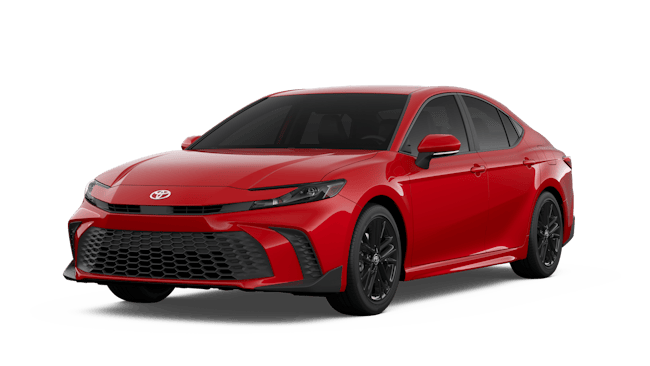
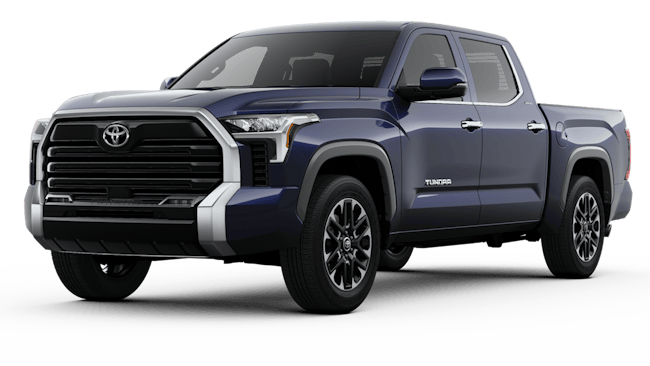
For example, the proper tire pressure for a Toyota Camry is typically 35 PSI for both the front and rear tires, while the recommended pressure for a Tundra pickup truck is 30 for the front and rear tires.
Gray drivers should keep in mind that the correct PSI also differs depending on the size and type of tire: the tire pressure for a Toyota Camry with 205/65R16 95H tires is 35, but should be 33 with 235/40R19/XL 96Y tires.

You’ll get the absolute most out of your tires by maintaining the correct Toyota tire pressure. Under-inflated tires can cause premature tread wear and overheating, while over-inflated tires can reduce brake function and accelerate tread wear as you drive in Monticello.
Under-inflated tires can cause premature tread wear and overheating.
Over-inflated tires can reduce brake function and accelerate tread wear as you drive in Monticello.
At the end of the day, we hope that this Toyota tire pressure guide will help you to understand why it’s worth the time to check your tire pressure on a regular basis, so that you can save on auto service in the long run.
Looking for more info about maintaining proper Toyota tire pressure or where to find genuine Toyota tires? If this Toyota tire pressure guide has been helpful to you, don’t hesitate to reach out with any further tire-related questions! Explore our service specials to save at your next appointment, or order the replacement parts you need online today.
As a general rule, tire pressure should be between 30 and 35 PSI.
The proper tire pressure for a Toyota Camry is typically 35 PSI for both the front and rear tires.
Gray drivers should keep in mind that the correct PSI also differs depending on the size and type of tire: the tire pressure for a Toyota Camry with 205/65R16 95H tires is 35, but should be 33 with 235/40R19/XL 96Y tires.
The recommended pressure for a Tundra pickup truck is 30 for the front and rear tires.
Newer Toyota vehicles have built-in tire pressure monitoring systems. If pressure is low, the system will automatically display a dashboard warning.
For older cars that don’t have TPMS, you can measure PSI with a tire pressure gauge. Remove the valve stem cap from the tire and press the gauge down into the valve stem.
You’ll get the absolute most out of your tires by maintaining the correct Toyota tire pressure. Under-inflated tires can cause premature tread wear and overheating, while over-inflated tires can reduce brake function and accelerate tread wear as you drive in Monticello.
Gray drivers should keep in mind that the correct PSI also differs depending on the size and type of tire: the tire pressure for a Toyota Camry with 205/65R16 95H tires is 35, but should be 33 with 235/40R19/XL 96Y tires.